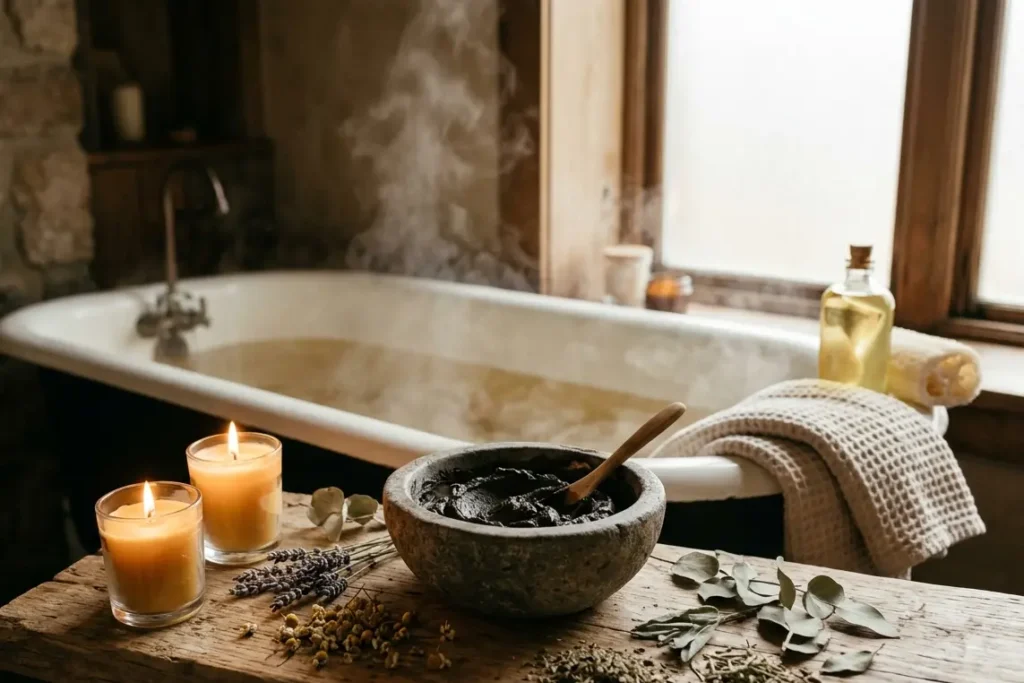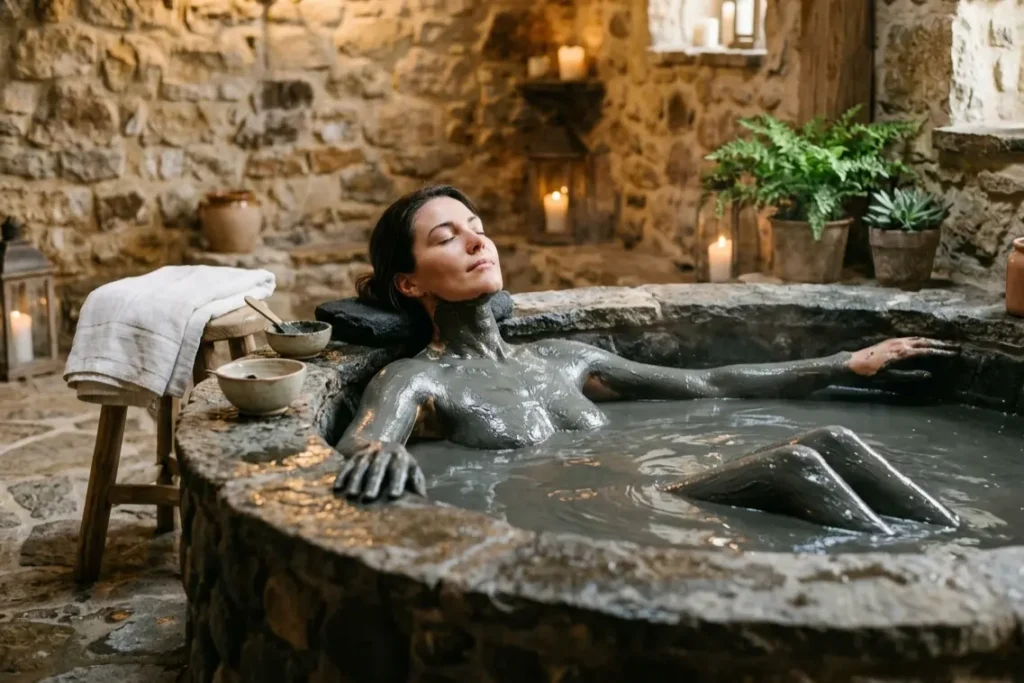
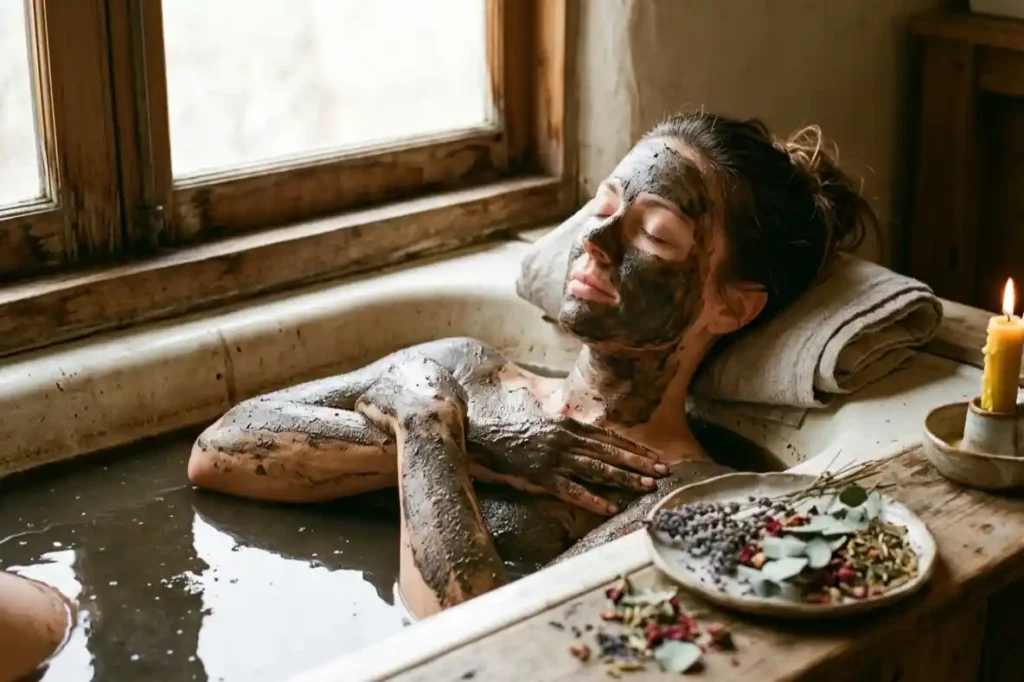
If you’ve landed here, you’ve probably already been through a few rounds of products that promised a lot and delivered something closer to fine. A mud bath for skin isn’t going to promise anything dramatic. What it will do is give your skin something genuinely different to work with. Minerals that actually absorb. Toxins that actually leave. And a quality of stillness during the ritual itself that most skincare routines don’t even try to offer.
When the Routine Stops Working
There’s a specific kind of defeat that comes from consistent skincare that doesn’t land. You’ve been doing everything right, more or less. You’ve read the ingredient lists. You’ve been patient. And the skin still looks like it’s holding something in rather than letting it go.
We’ve heard this from a lot of beautiful souls across the UK, from people who come to our cacao ceremonies in Somerset, from yoga teachers and dancers and people in the sober-curious crowd who’ve done a lot of work internally and want their skin to catch up with the rest of it.
What we’ve found, working with earth-based practices for years, is that the skin responds to mineral exchange differently than it responds to topical products. Not in a way that’s easy to put on a label. In a way you feel after a few sessions and don’t want to stop.
Mud bath for skin isn’t new to us at Maya Sacred. We’ve worked with it long enough to trust it and honestly enough to tell you what it won’t do as well.
What It Actually Does
Strip the language away and it’s simple. Mineral-rich earth, volcanic ash, thermal clay, Dead Sea sediment, peat, gets mixed with warm water and applied to the skin for around fifteen to twenty minutes. While it sits there, something called osmotic exchange happens. The clay binds to impurities, excess sebum, surface-level toxins, and draws them outward. Minerals from the earth come in through the skin at the same time.
The skin acts as a semi-permeable membrane. It’s receiving and releasing simultaneously. That’s the actual mechanism, and it’s meaningfully different from a cream that sits on top and waits.
People across cultures understood this intuitively for a very long time. Ancient Egyptians used Nile sediment. Roman bathhouses had dedicated mud chambers. That kind of consistency across thousands of years and almost nothing else in common between civilisations isn’t coincidence. It worked then for the same reasons it works now.
What the Research Shows
We’re not going to oversell this. The research is interesting and partial, which is more honest than a lot of wellness content will admit.
A 2025 study published in the International Journal of Biometeorology found that ten days of hyperthermic mud-bath therapy produced measurable reductions in inflammatory markers, improved immune cell activity, and significant improvements in mobility and pain.
Clinical evidence suggests mud baths can reduce the kind of inflammation that underlies conditions like psoriasis, seborrheic dermatitis, rosacea, eczema and acne, and some dermatologists recognise the anti-inflammatory and exfoliating properties of therapeutic mud as genuinely useful.
The two most studied mechanisms are remineralisation, where minerals absorbed through the skin improve hydration, tissue firmness and tone, and thermoplastic action, where the mud gradually releases heat and promotes toxin removal while helping firm the tissue.
What clinical research doesn’t capture is the emotional shift that happens consistently inside a properly held session. We’ve seen it too many times to dismiss. We also won’t claim more than the science has confirmed. That tension is real and we’re staying honest about it.
The Real Benefits
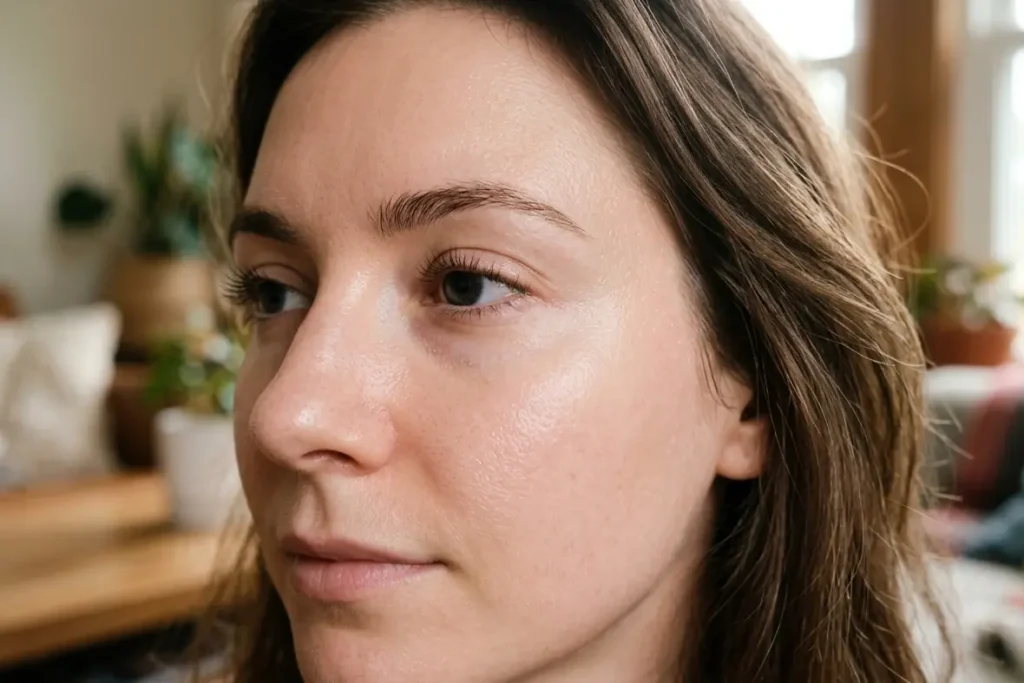
Most guides on the benefits of mud bath for skin give you a formatted list and call it done. Here’s what we’ve actually observed across sessions and community feedback over years.
Congested skin clears. The clay draws excess oil from pores without stripping them raw. People who’ve had blocked pores for years tend to notice this first, usually within a handful of sessions.
The glow is real but it’s not the synthetic brightness of an acid. It’s circulation returning to the surface, bringing oxygen with it. People describe the look as rested. Their word, not ours.
Mud bath treatments can help increase collagen production, contributing to a firmer, more youthful complexion. That takes weeks of regular use to show up. It won’t happen in one go. But the texture change is one people tend to notice before they expect it.
The calming of reactive skin is the result that stays with people longest. Skin that used to respond to everything gradually stops doing that. There’s a reason for that, and it’s about the microbiome.
Which Mud to Use
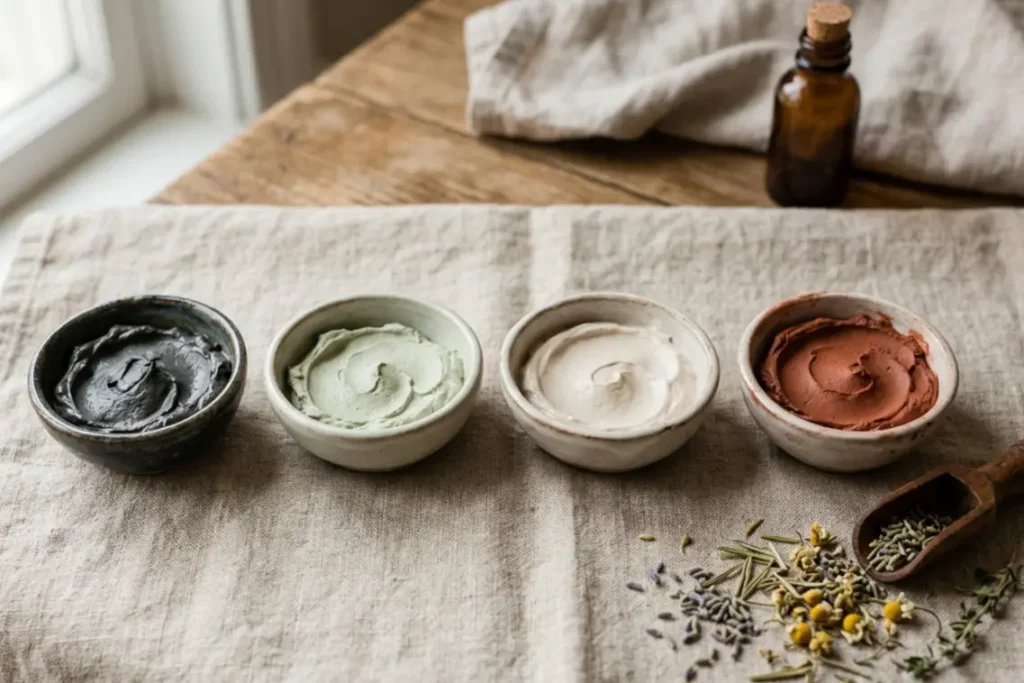
This matters more than most articles on mud therapy for skin acknowledge.
Dead Sea mud is the most mineral-dense option available in the UK. Very high in magnesium and salt. Good for inflamed or congested skin. If your skin runs dry, use it in smaller quantities.
Volcanic ash clay carries more silica and sulfur. Sulfur in therapeutic mud is both anti-inflammatory and antibacterial, which is why this type tends to work best for acne-prone skin specifically. If breakouts are the main problem, this is where to look first.
Peat mud is the gentlest option. Good for sensitive or combination skin. Slower to produce visible results but it rarely causes reaction. Chronically underused in UK skincare, which is a bit of a shame.
Bentonite and kaolin clays are affordable, widely available, and effective. For a regular detox skin treatment at home, these are the sensible starting point before spending on anything more specialised.
The Part Most Articles Miss
The skin isn’t just a surface. It hosts bacteria, fungi, and microorganisms that regulate moisture, immune response, and how reactive the skin feels day to day. A lot of chronic skin frustration traces back to disruption in that community rather than to any specific condition or deficiency.
When mud is applied to the skin, an osmotic gradient allows toxins and water to transfer out of surface tissues and into the mud, without stripping the microbiome the way chemical exfoliants often do. Some recent dermatological research points toward certain therapeutic muds actively supporting the beneficial bacteria on the skin’s surface.
This is likely why consistent use produces more than just temporarily cleaner skin. It produces skin that stops reacting to everything. That’s a fundamentally different outcome, and it almost never gets talked about in the standard mud bath content that comes up on search.
According to YouGov’s 2025 UK skincare survey, effectiveness is the top purchase driver for British adults at 47 percent, with natural ingredients cited by 14 percent, and 60 percent of UK adults bought skincare products in the past year. The market usually presents those two things, effectiveness and natural ingredients, as competing concerns. Mud is one of the rare places that opposition breaks down entirely.
What Someone in Our Community Said
One woman came to a session having genuinely tried most things. Persistent congestion, skin that looked tired regardless of sleep, years of products that helped briefly and then stopped mattering. After her first session she said her skin felt brand new. Her mind and soul felt cleansed. She came back several more times and said each one had been different and very real to her.
What she described wasn’t just a topical change. It was what happens when the body stops having to perform and just receives something from the earth for a while.
That’s what a good mud bath at home guide helps you bring into your own space. Not a spa version of the ritual. The actual substance of it.
How to Do It at Home
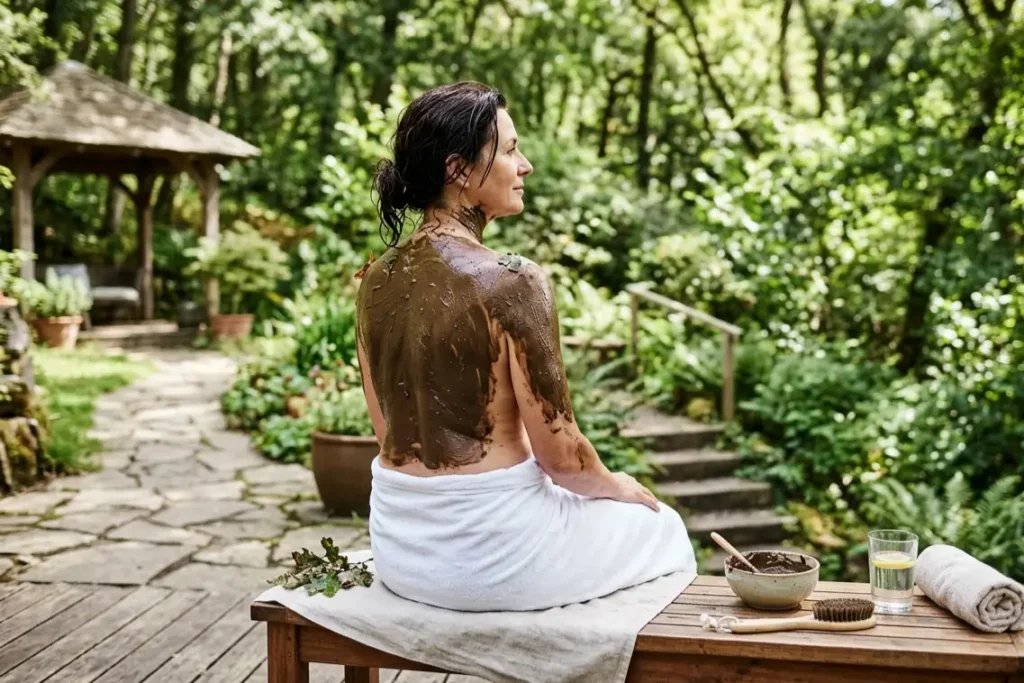
We treat this like ceremony, not a skincare step. The full mud bath at home guide goes deeper, but here is the core of it.
Before you mix anything, decide what this is for. Rest, release, just a bit of quiet time. Naming it, even quietly in your own head, shifts the quality of the whole experience. We know that sounds odd if you haven’t tried it. Try it anyway.
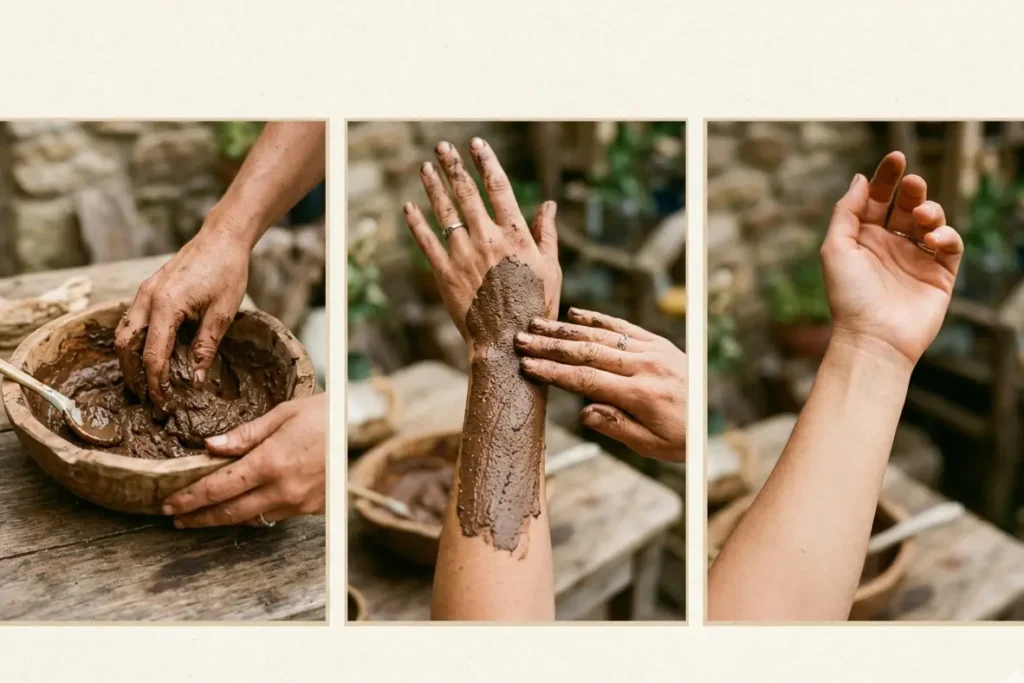
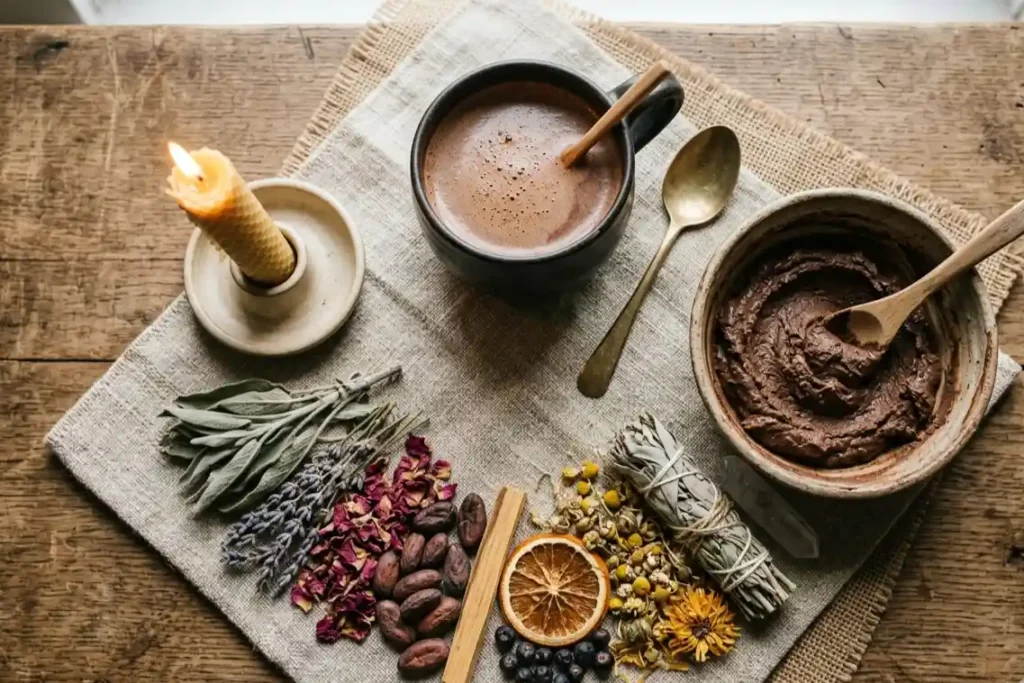
Mix cosmetic-grade mud powder with warm water or a simple herbal infusion. Rose and calendula work well. Lavender if you want the nervous system to settle alongside the skin.
Apply slowly. Circular movements. Steady breath. Rest fifteen to twenty minutes while the mud stays damp. Don’t let it fully dry and crack. Once it cracks it starts pulling moisture out rather than allowing the exchange you’re after. Remove while it’s still slightly pliable.
Rinse with warm water. Seal with rosehip or jojoba oil while skin is still a little damp.
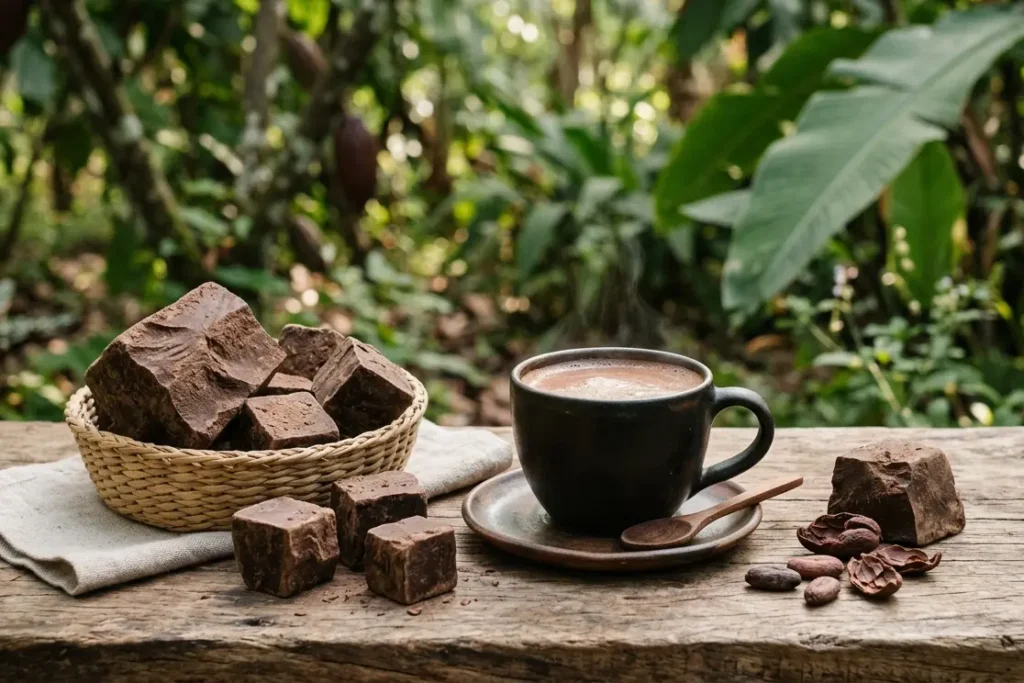
For a deeper effect, have a look at the full mud bath benefits guide. And if you want to go further, consider pairing the ritual with ceremonial cacao beforehand. The theobromine dilates blood vessels and improves circulation, which means the minerals in the mud reach further into the tissue. Our Sacred Rituals collection is built around exactly that kind of layered approach.
Who It Works For
Oily, combination, and acne-prone skin tends to see the clearest early results. Dull, city-tired skin notices the circulation change quickly. People coming off chemical-heavy routines find the transition easier than they expected.
It also works well for the sober-curious crowd, for yoga practitioners, for ecstatic dancers, and for people who already understand that real change happens from the inside out and want their skin to reflect that.
Sensitive skin can absolutely work with this. Start with kaolin or peat rather than volcanic ash. Patch test first. Introduce it slowly.
If you are pregnant, have open wounds, active skin infections, cardiovascular conditions, or venous insufficiency, please speak with a healthcare provider before starting. That is a real caution, not a legal formality.
Two Practical Things Worth Knowing
The timing genuinely matters. Fifteen to twenty minutes, mud staying damp throughout. Once it dries and cracks, the direction reverses and moisture leaves the skin rather than minerals entering. Most guides don’t make this clear enough.
Consistency beats intensity. Once or twice a week over months builds something a long monthly session can’t replicate. This is a practice, not an event.
Where to Start
A mud bath for skin is a practice, not a product. The skin responds to it differently over time and the cumulative effect is what people who stay with it end up relying on. One session will show you something. Twelve sessions will change something.
The UK’s wellness market reached $224 billion in 2022 and grew faster than any other major wellness economy in the world since the pandemic. Something honest is shifting in how people here want to look after themselves. Less performance, more actual substance. Earth-based practices fit that shift in a way that most products simply don’t.
If you want to see what that looks like in practice, our Sacred Collection has ceremonial cacao, natural fragrances, and sacred wellness gifts put together for this kind of ritual living. Our Sacred Rituals page shows how we bring ceremony into everything we offer.
Your skin isn’t a problem to manage. It’s something to actually care for. The earth has been doing this work for a long time.
Start your sacred skin ritual with Maya Sacred
Author Bio
Written by the Maya Sacred team, a UK community rooted in ceremonial practice, earth healing, and sacred wellness. We run cacao ceremonies and mud bath experiences and put together sacred gifts for beautiful souls across the UK who want something with real roots. Find us at mayasacred.com and at our locations in Somerset and Dorset.