Mud bathing and earth-based self-care sit at the older end of human wellness. Long before spas had waiting lists and gift vouchers, people were pressing themselves into mineral-rich earth to rest, reset, and reconnect. That tradition is finding a new audience in the UK right now, particularly among yoga communities, sober social circles, and anyone who’s quietly noticed that booking another spa day hasn’t really fixed the thing they were hoping it would fix.
Short answer first, because you came here for clarity: a mud bath spa is a one-off professional experience. A home mud ritual is a practice. They serve different needs, and one of them is significantly more sustainable than the other.
What Is a Mud Bath Spa Experience?
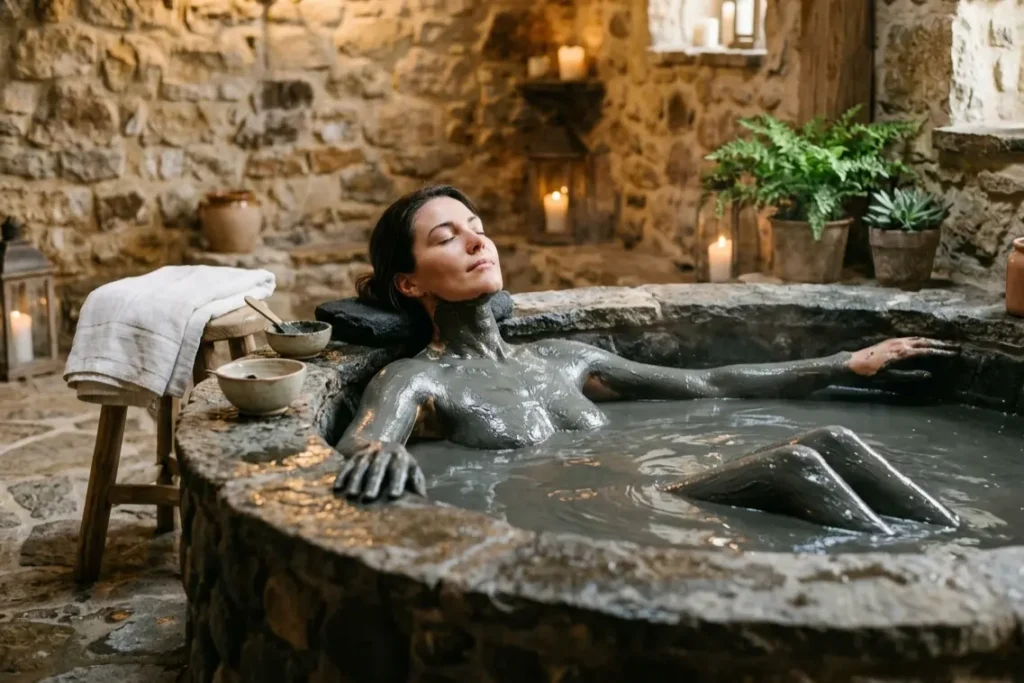
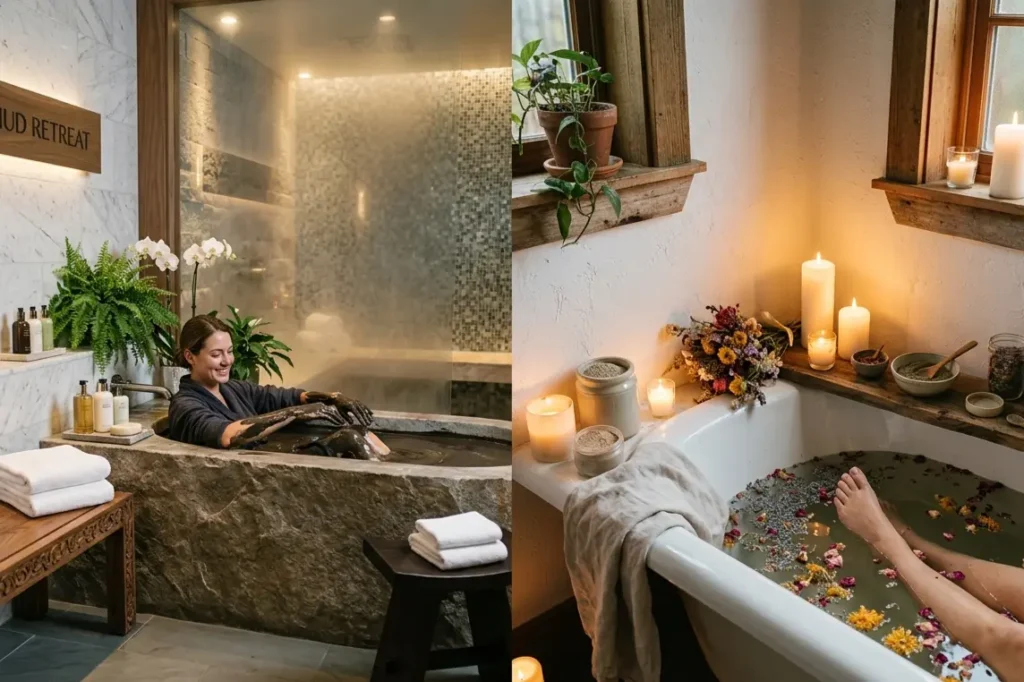
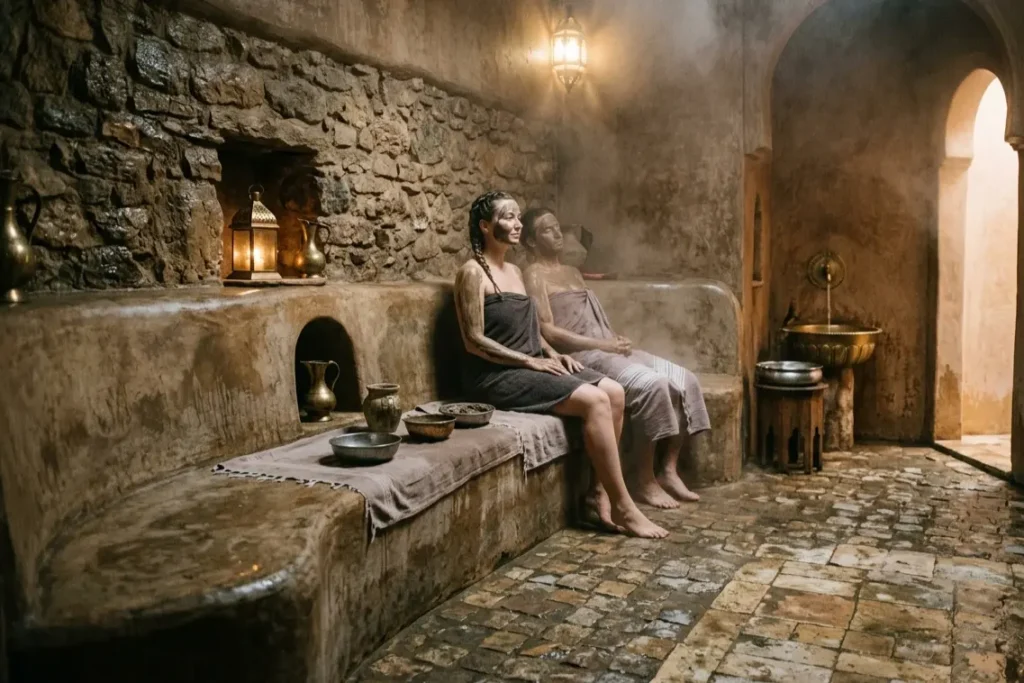
In UK spas, a mud bath spa treatment most often means a rasul. You walk into a heated steam room, apply mineral clay to your own body, sit in the warmth until the mud dries slightly, and finish with a rinse. Some venues offer therapist-applied mud wraps in private treatment rooms instead. A few do both.
Spabreaks.com notes these treatments work particularly well for people who find hands-on therapies like massage difficult, since the whole experience is self-directed and the benefits come from the heat, steam, and mud rather than from physical contact with a practitioner.
The environment usually does what it’s designed to do. Warm stone underfoot, low light, no noise. For the hour or two you’re there, the weight in your chest actually lifts. The question worth sitting with is how long that lasts once you’re back on the motorway.
Is a Mud Bath Spa Better Than Doing It at Home?
Not automatically. That answer is worth being straight about.
The therapeutic core of mud work, the minerals, the detox, the support for circulation and the nervous system, doesn’t live only in professional settings. The mud bath benefits are fully accessible at home when you use quality clay and give the practice the time it deserves. What a spa genuinely offers is a structured environment and a reason to step outside your normal week. For people who can’t slow down at home without external help, that structure has real value.
What a spa cannot offer is frequency. A spa mud treatment UK session needs booking, costs money, and realistically happens a few times a year at most. A home ritual asks for none of that.
The more useful question isn’t which is better in the abstract. It’s which one actually fits the life you’re living.
What a Home Mud Ritual Actually Looks Like
Most comparison articles describe home mud baths as a budget alternative to spa visits. We’d push back on that framing because it misses the point.
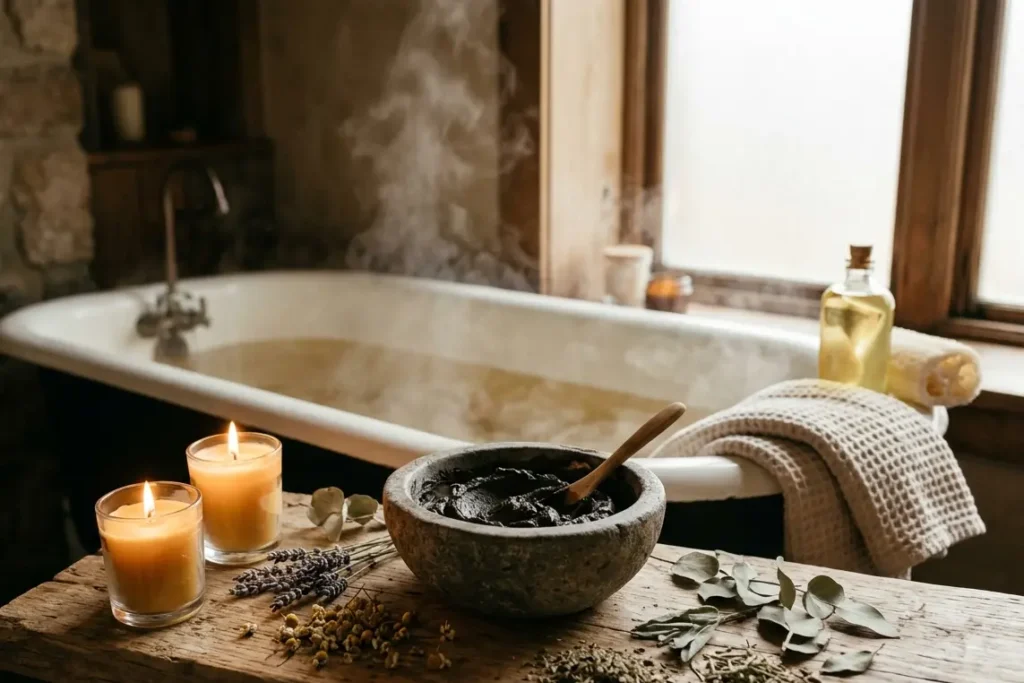
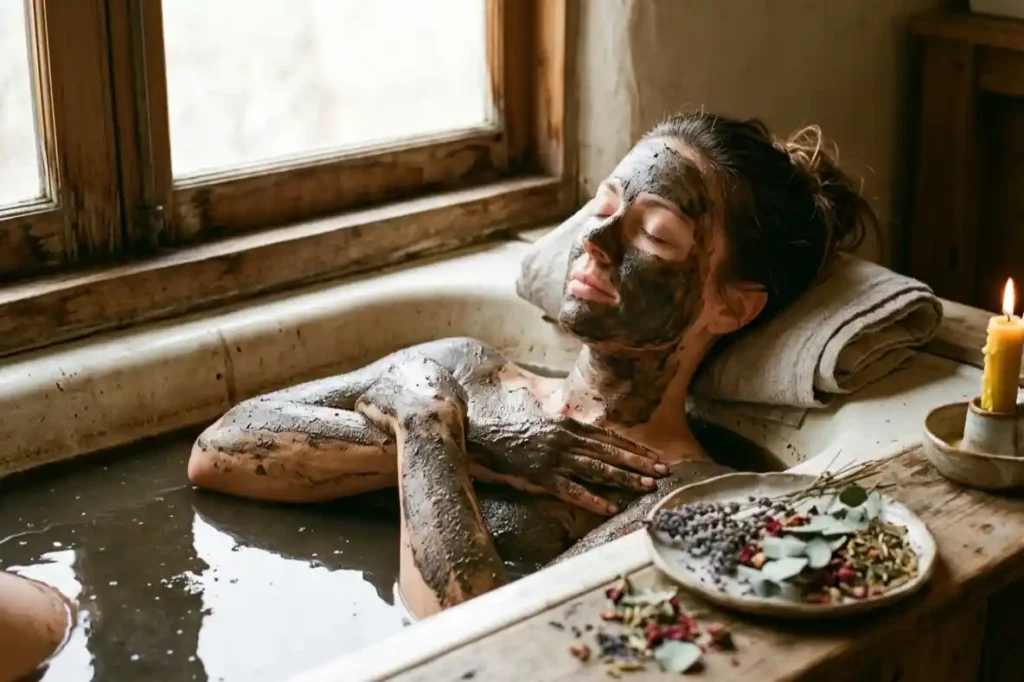
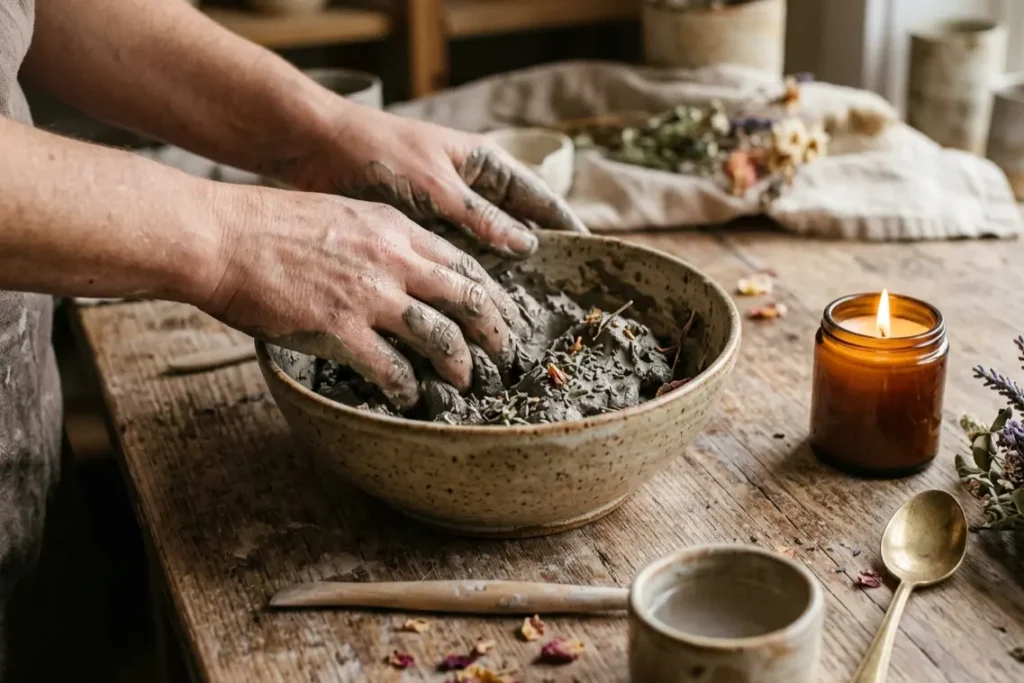
A mud bath at home isn’t a cheaper version of a spa treatment. It’s a different experience in kind. You’re not a guest moving through someone else’s timed session. You set the pace, choose the music, decide when you’re done. That ownership changes the quality of what happens inside you, and it changes it more than most people expect before they’ve tried it.
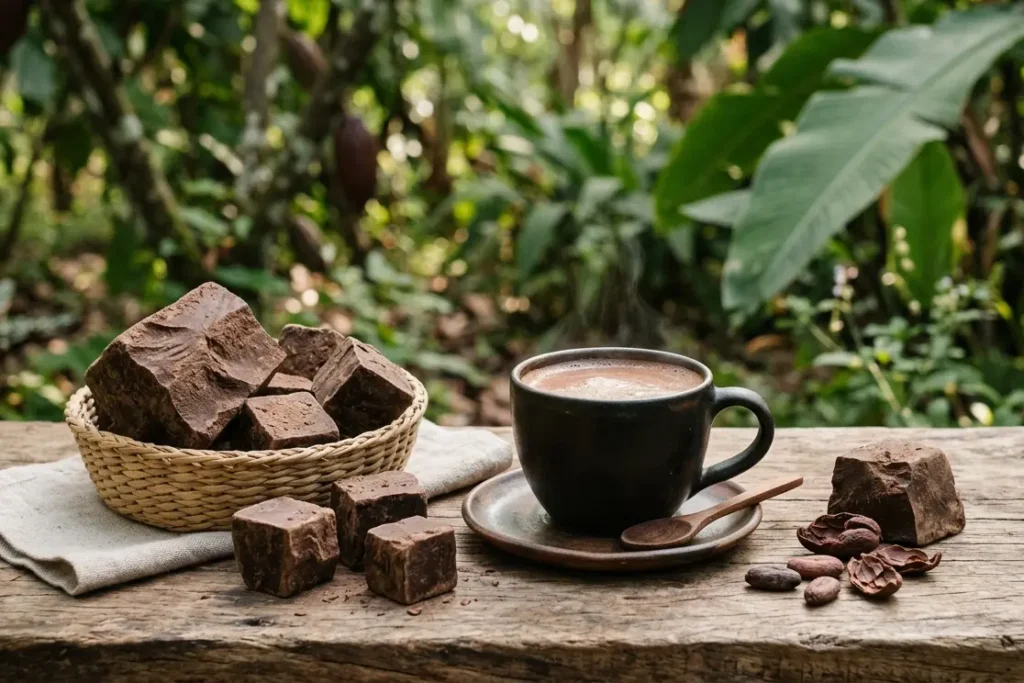
The practice itself is genuinely simple. Prepare the space, mix your clay, apply it slowly, sit quietly for fifteen or twenty minutes, rinse with warm water. Many beautiful souls in the Maya Sacred community close their rituals with a cup of ceremonial cacao. The theobromine it carries supports circulation and a warm, open, present state that seals the whole practice cleanly. It shifts a bath into a ceremony. That distinction matters more than it sounds.
How Much Does a Mud Bath Spa Cost in the UK?
A single mud bath spa session at a mid-range or high-end UK venue runs between £50 and £150. Some destination experiences, like those at venues such as Rockliffe Hall, fold the mud rasul into full thermal suite access and are structured for groups or couples as extended experiences rather than quick standalone treatments. These are genuinely worth experiencing as occasions. They aren’t a wellness habit anyone can sustain week to week.
A home clay ritual kit sits at roughly £15 to £35 and covers multiple sessions. The cost of mud bath spa UK over a full year doesn’t compare to a home practice in any meaningful way. And cost aside, no spa session can be repeated often enough to build the cumulative physical and emotional benefits that regular home practice does.
Home vs Spa Mud Therapy Benefits
Both deliver real results. Saying otherwise would be dishonest.
In a spa setting, professionally sourced mineral muds combined with controlled heat and steam create conditions for genuine therapeutic benefit. Research from therapeutic mineral spring contexts confirms that the heat in mud treatments stimulates circulation, eases muscle tension, and supports the body’s stress response. That’s not marketing language. It’s documented.
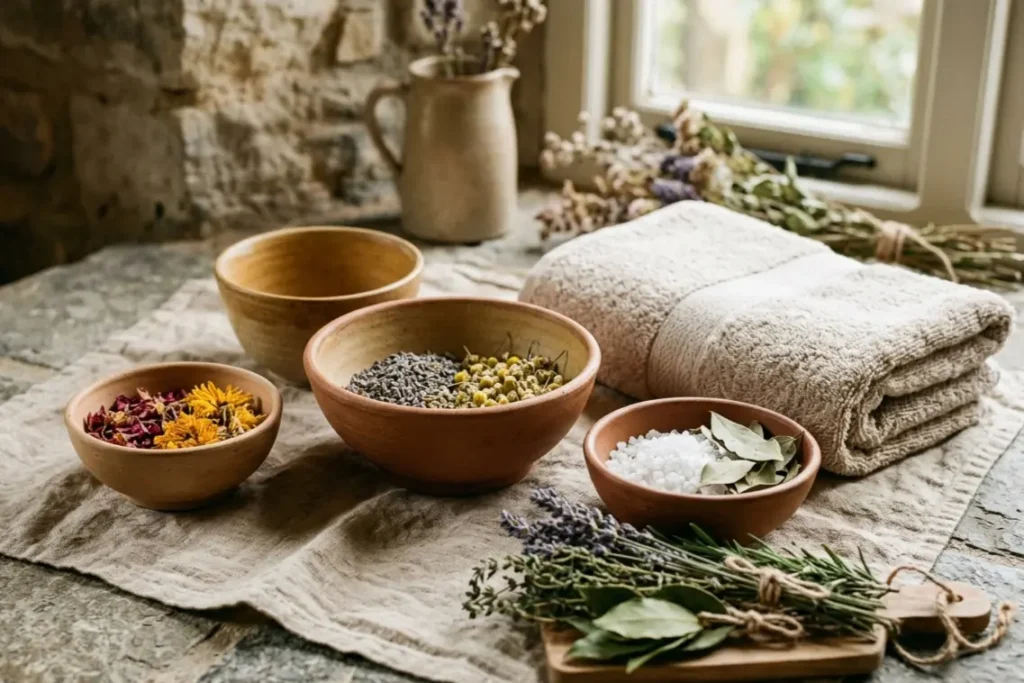
At home, natural clays including bentonite, kaolin, and fuller’s earth draw impurities from the skin, deliver trace minerals, and support the skin barrier over time. Choosing the best mud for mud bath practice makes a real difference to what you get from the experience. The mineral profile of what you’re working with matters.
The honest gap between the two comes down to environmental support and quality of ingredients. A spa removes the need to build the right conditions yourself. Home practice puts that responsibility on you. That’s the harder path. It’s also where most of the meaningful change tends to happen.
What the Research Shows
According to McKinsey’s 2025 Future of Wellness survey, 79 percent of UK consumers now rate wellness as a top or important priority, with spending shifting noticeably toward habits that can be sustained rather than experiences that have to be saved for. That’s not just an economic trend. It reflects something real about what people are realising they actually need.
The clinical record for mud therapy spans centuries of European and Middle Eastern spa medicine. Documented outcomes include improved skin condition, reduced inflammatory markers, lower cortisol after sessions, and better sleep quality in the hours following treatment. These outcomes hold whether you’re in a luxury spa or a carefully set-up bathroom, as long as the conditions and clay quality are right.
What no study measures is the ceremonial layer. Pressing yourself into earth with intention lands differently to doing it mechanically, and anyone who’s experienced both knows the difference.
The Part Spas Leave Out
A wellness spa experience is built to relax you within a paid booking window. That’s what it does well. What it isn’t designed to do is change how you relate to yourself between visits.
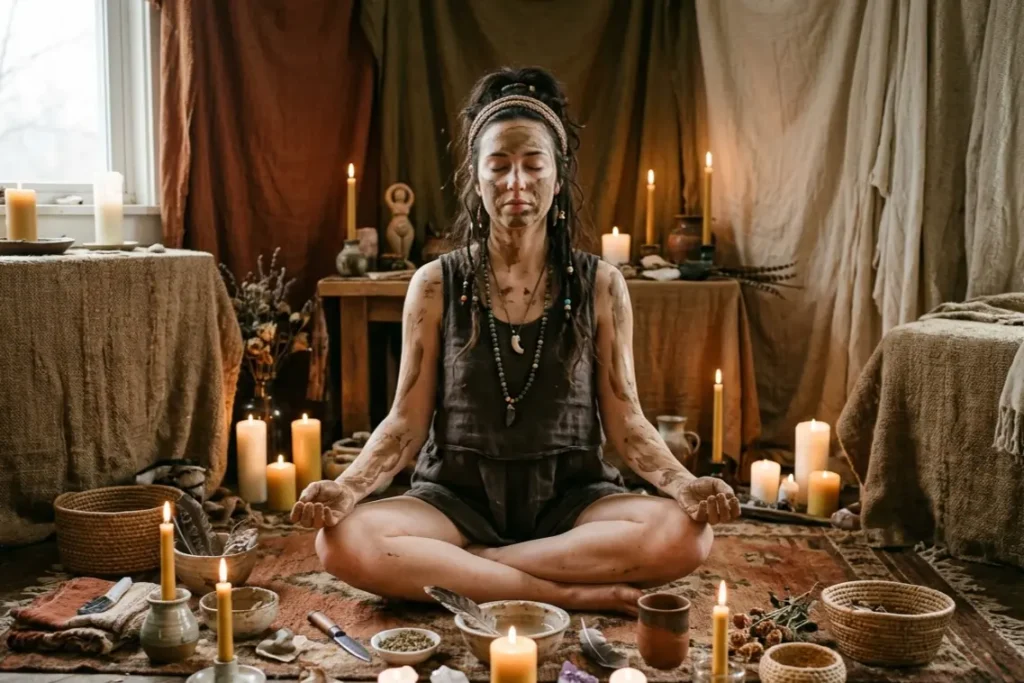
In many earth-based traditions, clay and mud weren’t beauty tools. They were ceremony. Used to mark transitions, release what the body had been carrying, and return people to themselves after loss or difficulty. The act of pressing into the earth carries that weight whether you name it or not.
This is why people in sober social spaces, cacao ceremony circles, and ecstatic dance communities often describe home rituals as landing somewhere spas simply don’t reach. The heart-opening quality of something genuinely ceremonial, that full-power aliveness you feel when a practice is sacred rather than scheduled, can’t be manufactured in a treatment room.
A Real Story From Our Community
Someone came to a Maya Sacred home ritual evening having done two spa rasul sessions at well-regarded venues. Her description was the same both times: “beautiful but distant. Like watching myself relax rather than actually doing it.”
Her first home ritual was different. She’d cleared the whole evening. She chose her own music and made the clay herself. There was no booking window, no schedule, nobody reminding her time was nearly up. She lay on her bathroom floor in genuine stillness afterward. She messaged us the next morning and just said “I didn’t know it could feel like that.”
That isn’t a criticism of spas. It’s what happens when the container fits you properly.
Two Expert Tips Worth Keeping
Practitioners working with somatic and earth-based therapies consistently recommend setting an intention before any mud ritual, spa or home. Not a goal. Something closer to a direction. What you’re releasing, what you’re returning to. That one shift changes the quality of everything that follows.
For home practice, applying clay to slightly damp skin after a warm shower deepens mineral absorption noticeably. The heat opens the pores, the clay draws more effectively, and the whole practice flows better when you’re already warm and settled. Fifteen minutes of contact time is the minimum worth aiming for.
How to Build a Home Mud Ritual
The full process is in our mud bath at home guide. The core of it is simpler than most people expect.
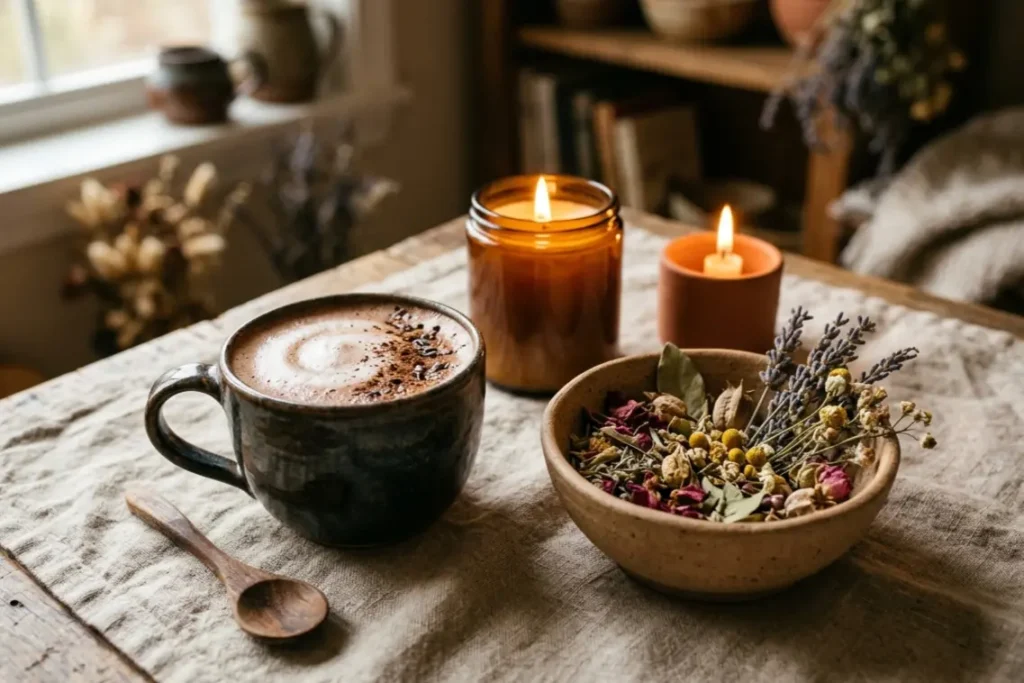
Prepare the space before you begin. Not just physically. Set the atmosphere. Dim the lights, light something, put on music that actually helps you slow down. Mix the clay with care. Apply it with attention. Stay with it. Rinse with warm water and resist the pull back to your phone. Give yourself a few quiet minutes after, preferably with a warm drink, before re-entering your evening.
The first time feels unfamiliar. By the fifth time it feels like something you’ve always known.
Start Your Own Practice
If your self-care has been built mostly around occasional spa bookings, consider what it might look like to build something that belongs entirely to you. A practice you return to every week. One that deepens rather than just resets. At Maya Sacred we’ve put together everything you need, from quality clays to the ceremonial cacao that so many in our community use to close their rituals with warmth and presence.
Create your sacred self-care ritual
About the Author
Written by the Maya Sacred team, a UK-based community grounded in earth-based ceremony, sacred ritual, and honest self-care. We’ve been hosting cacao ceremonies, mud rituals, and ecstatic dance gatherings for years. Nothing here comes from a content brief. It comes from real practice and from the stories of beautiful souls who’ve trusted us with theirs. Maya Sacred is based in Somerset and Dorset, with community events and ritual kits available across the UK.